
 In 2023, Lithuania amended its Code of Administrative Offenses, allowing media watchdog LRTK to fine pirates, without going to court.
This legislative change was specifically designed to deter piracy in the European country. With potential fines on the line, pirates would reconsider their habits, the idea was.
Tracking Torrent Tracker Pirates
Over the past two years, dozens of fines were handed out. The targets were mostly first-time offenders who received the minimum fine of 140 euros. For repeat offenses, however, fines can potentially reach 850 euros.
What makes these fines stand out is that LRTK predominantly targets users of the private torrent trackers Linkomanija and Torrent.lt. These are two of the most-visited pirate sites in the Eastern European country.
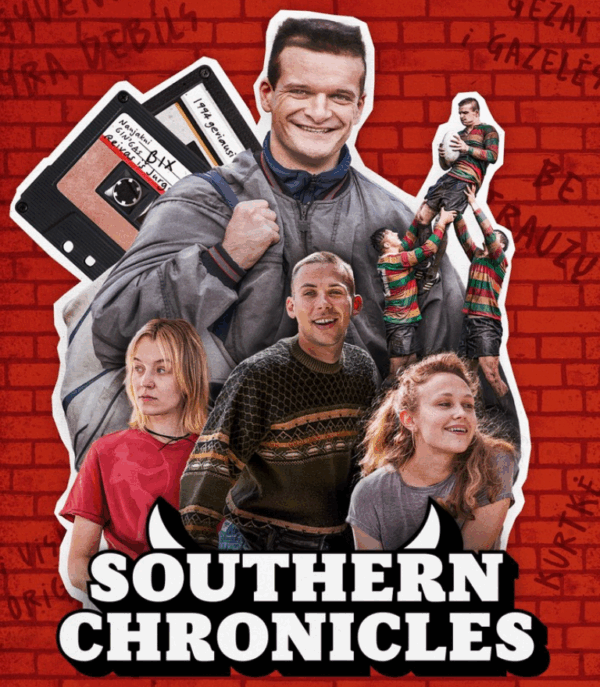
The media watchdog does not only target local piracy communities; it also focuses on protecting locally produced media. In a recent announcement, LRTK notes that, this year, it fined more than 30 people who shared a copy of the film “Pietinia Kronikas” (The Southern Chronicles).
These targets are again linked to the Linkomanija and Torrent.lt torrent trackers, and ten of them were fined in November, suggesting an increase in enforcement activity.
In most cases, the suspects were fined in their absence, as they failed to respond to inquiries from the media watchdog.
“The LRTK contacted the violators in writing, requesting explanations and inviting them to participate in the investigation of the administrative offense. However, the majority of individuals did not respond to the invitations and failed to appear for the investigation,” LRTK writes.
From 250+ Blocked Domains to Malware Threats
In addition to targeted fines, the regulator is also expanding its site blocking efforts. According to new figures, LRTK blocked more than 700 IP addresses and 250 domain names linked to pirate sites in 2025 alone.
Andrius Katinas, Head of the Supervision Division at LRTK, admits that while piracy activity has decreased, it remains a significant problem. Therefore, the regulator is adding a “consumer safety” narrative by warning that pirate sites are linked to malware and other cyber threats.
In a report by local news outlet Delfi, the watchdog links pirate sites to data theft, malicious software, ransomware, stolen credit cards or bank details, compromised accounts, and hacked social media.
“These cases constantly happen,” Katinas warns. “Individuals who lost access to their personal or work accounts often receive offers to recover them for a ransom, are threatened with the publishing of compromising content, or are otherwise manipulated.”
Changing Piracy Rates?
There is no silver bullet to stop piracy. While site blocking, fines, and awareness campaigns have some effect, some people continue to return to pirate sites. That includes the heavily targeted Linkomanija and Torrent.lt trackers.
Historically, piracy rates have always been high in Lithuania, but, according to LRTK Chairman Mantas Martišius, piracy is now clearly on the decline.
Martišius notes that enforcement has paid off. Importantly, however, the economic situation in Lithuania is improving, so people now have the opportunity to spend money on legal platforms and services.
All in all, LRTK is adamant that its efforts to curb piracy are paying off. That becaome apparent earlier this year when the watchdog publicly criticized data reported by piracy tracking firm MUSO, stressing that “Lithuania is no longer the leader in piracy”.
From: TF, for the latest news on copyright battles, piracy and more.
Powered by WPeMatico

